Gaudí: 100 years of his legacy
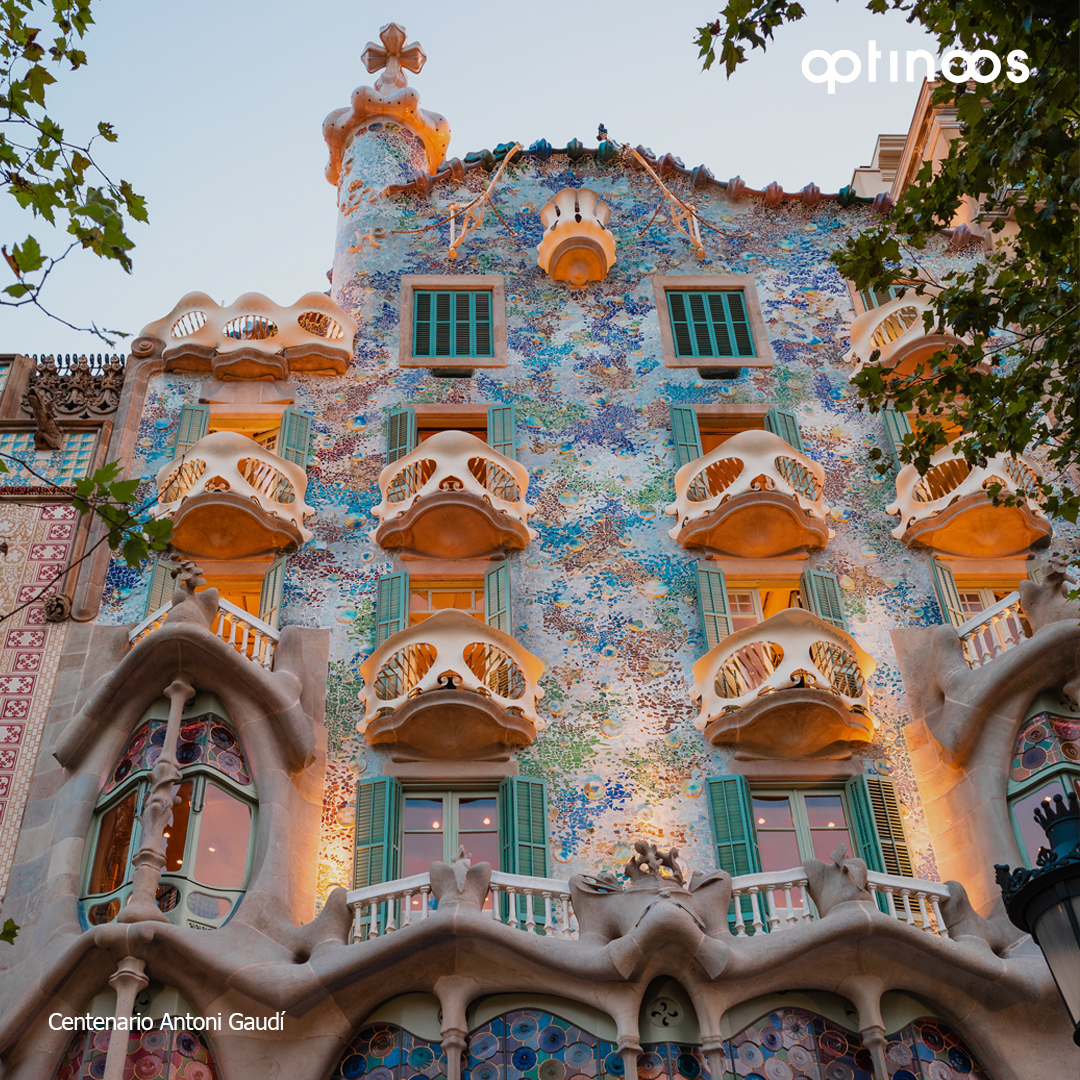
This June 10th, we commemorate the centenary of Antoni Gaudí’s death, not only as an architectural genius but also as a true pioneer of what we now define as sustainability.
Long before the emergence of ESG criteria or environmental certifications, Gaudí was already applying principles that are essential in any responsible and efficient strategy today.
Sustainability in Gaudí’s work: a vision ahead of its time:
• Inspiration from nature as a model of efficiency. Gaudí didn’t copy nature; he studied it to design optimized, resistant, and harmonious structures, aligned with natural laws.
• Resource utilization and circularity. The use of trencadís (broken tile mosaic) is a clear example of how he transformed waste into value, anticipating the current concept of a circular economy.
• Energy efficiency through passive design. His buildings were designed to maximize natural light, ventilation, and thermal comfort, reducing dependence on external resources.
• Respect for and integration with the environment. Gaudí designed by adapting to the terrain and the ecosystem, avoiding unnecessary impacts and achieving a harmonious coexistence with the environment.
• Well-being and social sustainability. His spaces were not only functional, but also generated well-being, emotional connection, and unique experiences for people.
At OPTINOOS, we share this vision: sustainability is not just efficiency; it is intelligent design, respect for the environment, and the generation of long-term value.
Gaudí left us with a key lesson: to innovate is to understand nature and work with it, not against it.
🌱 100 years later, his legacy continues to guide the path toward a more sustainable, humane, and conscious future.